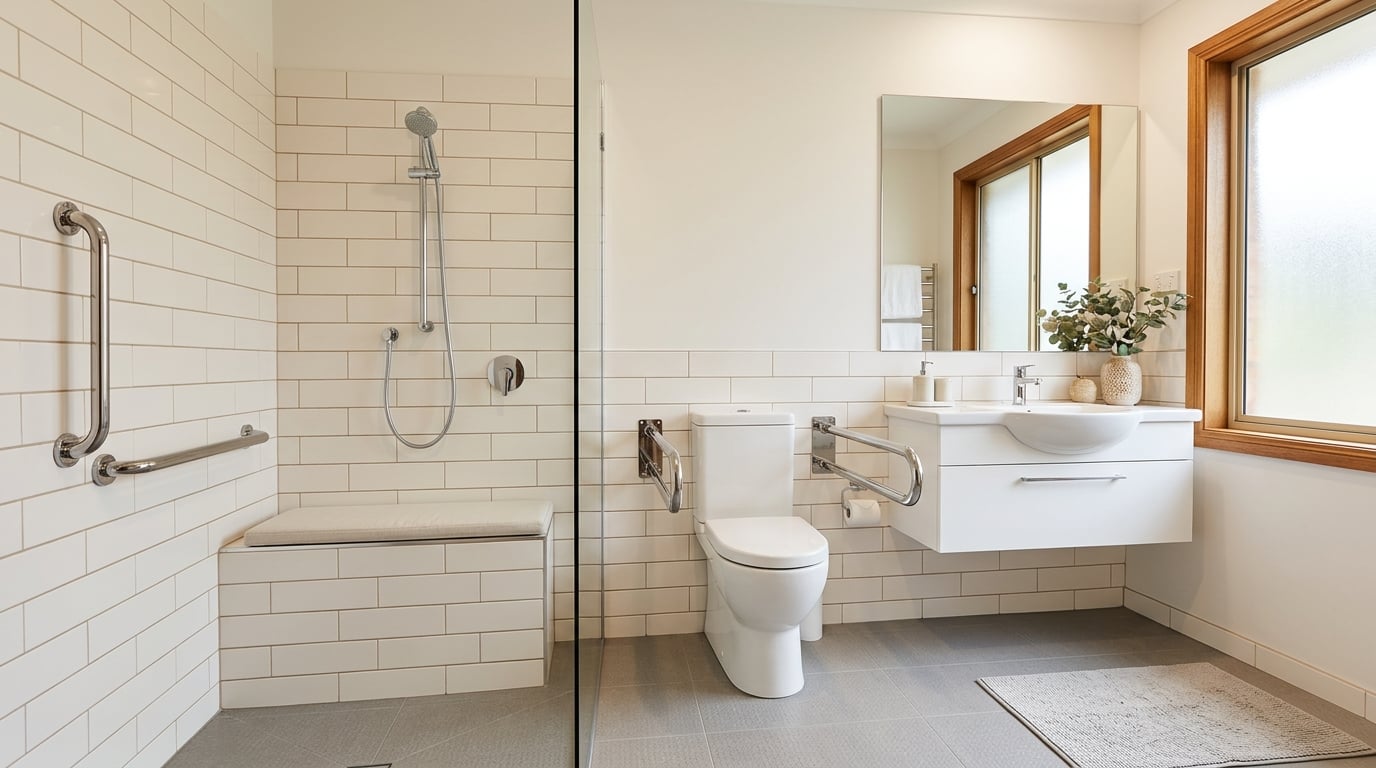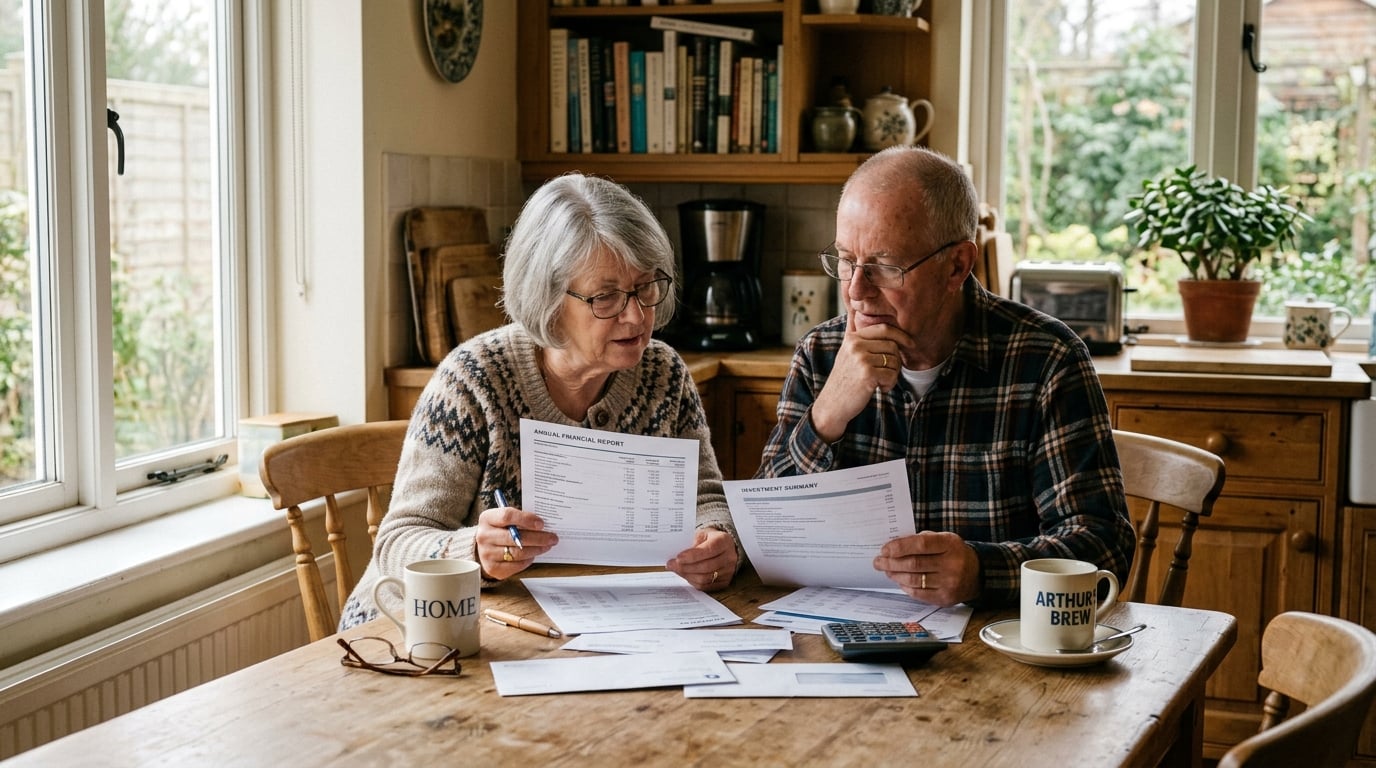
Home accessibility modifications can range from a few hundred dollars for grab bars to tens of thousands for major remodeling. The cost can feel overwhelming, but many homeowners do not realize how many financial assistance programs exist specifically for this purpose.
This guide covers every major funding source available in 2026.
1. Medicaid Home and Community-Based Waivers
Most states offer Medicaid waiver programs that cover home modifications for eligible individuals. These waivers pay for modifications that help a person stay at home instead of moving to a nursing facility. Covered work often includes ramps, bathroom modifications, widened doorways, and stairlifts.
Eligibility rules vary by state, but generally you must meet Medicaid income requirements and demonstrate a medical need for the modifications. Contact your state Medicaid office or Area Agency on Aging to learn about your state's specific program.
2. VA Specially Adapted Housing (SAH) and SHA Grants
Veterans with service-connected disabilities may qualify for substantial grants through the Department of Veterans Affairs:
- SAH Grant: Up to $109,986 (2026 limit) for veterans with severe service-connected disabilities. This can fund major modifications or even a new accessible home.
- SHA Grant: Up to $22,036 (2026 limit) for veterans with less severe disabilities. Commonly used for ramps, bathroom modifications, and kitchen accessibility.
- HISA Grant: Up to $7,083 for veterans with non-service-connected disabilities who are enrolled in VA healthcare.
Apply through your local VA regional office or online at va.gov.
3. USDA Rural Development Section 504 Loans and Grants
Homeowners in rural areas may qualify for low-interest loans (1 percent fixed rate) up to $40,000 or grants up to $10,000 for home repairs and accessibility modifications. Grants are available to homeowners aged 62 and older who cannot afford to repay a loan. This is one of the most generous programs available for rural residents.
4. State and Local Programs
Many states and municipalities run their own home modification assistance programs. Examples include:
- California: The Home Modification Program through the Department of Rehabilitation
- Texas: Project ACCESS through the Department of Housing and Community Affairs
- New York: RESTORE (Residential Emergency Services to Offer Repairs to the Elderly) program
- Ohio: Home Energy Assistance Program (HEAP) with modification assistance
Check with your local Area Agency on Aging — they maintain lists of every program available in your community.
5. Nonprofit Organizations
Several national nonprofits provide free or low-cost home modifications:
- Rebuilding Together: Provides free home repairs and modifications to low-income homeowners nationwide
- Habitat for Humanity: Offers aging-in-place modification programs in many communities
- The National Council on Aging (NCOA): Maintains BenefitsCheckUp, a tool that matches seniors with local assistance programs
6. Tax Deductions and Credits
Home accessibility modifications may qualify for tax benefits:
- Medical Expense Deduction: If a doctor prescribes the modifications as medically necessary, the cost may be deductible as a medical expense (subject to the 7.5 percent AGI threshold).
- State Tax Credits: Some states offer specific tax credits for aging-in-place modifications. Virginia, for example, offers a credit of up to $5,000 for accessibility improvements.
7. Home Equity Options
For homeowners with equity, these options can fund modifications without depleting savings:
- Home Equity Line of Credit (HELOC): Flexible borrowing against your home's equity at relatively low interest rates
- Reverse Mortgage: Available to homeowners 62 and older, allowing you to convert equity into funds without monthly payments
- FHA 203(k) Rehabilitation Loan: Rolls the cost of modifications into your mortgage
Getting Started
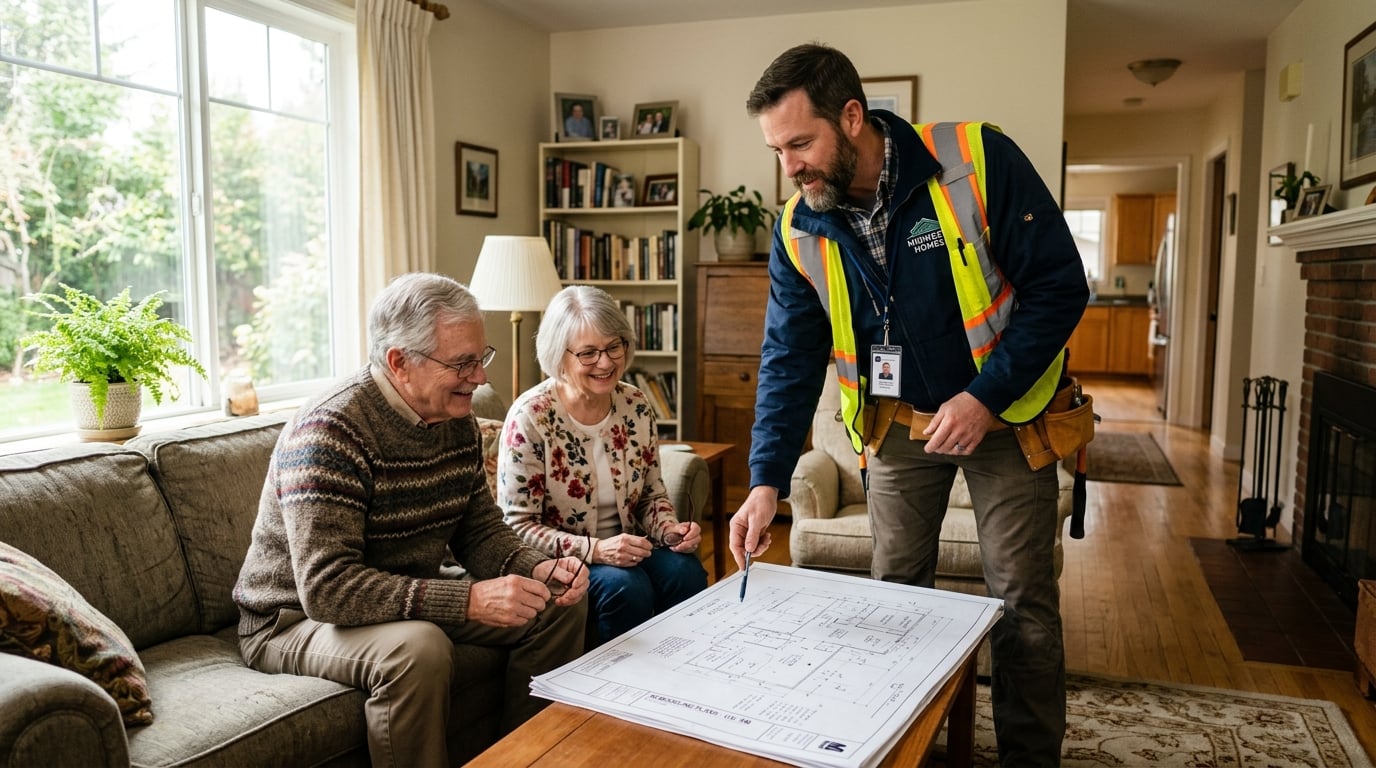
The first step is to get a professional assessment of what modifications you need. Find a contractor near you on AccessHome Pro to get free quotes and expert advice on the most impactful modifications for your situation.