Every year, roughly 3 million older Americans visit the emergency room due to fall-related injuries. Many of those falls happen right at home — in bathrooms, on staircases, or in poorly lit hallways. The good news is that most of these accidents are preventable with the right home modifications.
Whether you are planning ahead for yourself or helping a parent stay independent, these ten upgrades deliver the biggest safety and quality-of-life improvements per dollar spent.
1. Grab Bars in the Bathroom
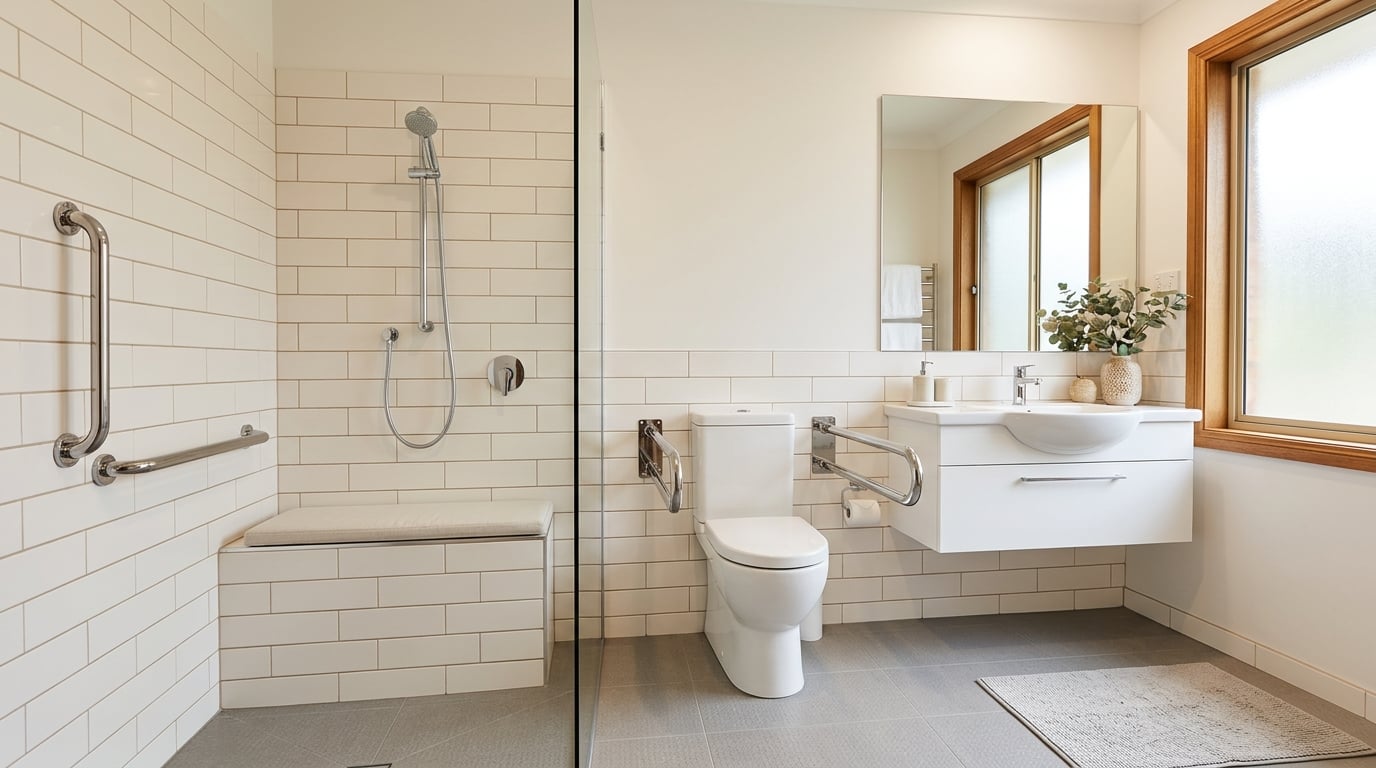
Bathrooms account for roughly 80 percent of in-home falls among older adults. Installing stainless-steel or chrome grab bars beside the toilet, inside the shower, and next to the tub is the single most cost-effective safety upgrade you can make. Professional installation typically costs $100 to $300 per bar, including wall reinforcement.
2. Walk-In Shower Conversion
Stepping over a traditional tub rim is one of the highest-risk movements for seniors. A curbless, zero-threshold walk-in shower eliminates that hazard entirely. Most conversions run between $3,000 and $8,000, but the reduction in fall risk is dramatic — making this one of the top recommendations from occupational therapists.
3. Stairlift or Platform Lift
For multi-story homes, a stairlift lets residents move between floors without the strain and risk of climbing stairs. Straight-run stairlifts typically cost $3,000 to $5,000 installed; curved models can reach $10,000 or more. If a wheelchair is involved, a vertical platform lift (starting around $5,000) may be the better choice.
4. Widened Doorways
Standard interior doorways are 28 to 30 inches wide — too narrow for most wheelchairs and many walkers. Widening them to 36 inches costs roughly $300 to $1,000 per opening and makes the entire home navigable for mobility devices.
5. Non-Slip Flooring
Throw rugs, polished tile, and worn carpet are slip-and-fall hazards. Replacing them with textured vinyl plank, low-pile carpet, or rubber flooring dramatically reduces the chance of a slip. Budget $3 to $8 per square foot, including installation.
6. Lever-Style Door Handles and Faucets
Round doorknobs and twist-style faucets are difficult or impossible for hands weakened by arthritis. Swapping them for lever-style handles is an inexpensive upgrade ($15 to $50 per fixture) that makes everyday tasks much easier.
7. Improved Lighting
Age-related vision changes mean older adults need two to three times more light than younger people. Adding motion-activated night lights along hallways, under-cabinet LED strips in the kitchen, and brighter overhead fixtures in stairwells costs very little but prevents a significant number of trips and falls.
8. Wheelchair Ramp at the Entrance
Even one or two steps at the front door can become impassable for someone using a walker or wheelchair. Modular aluminum ramps start around $1,000 for short runs; longer, permanent concrete or wood ramps typically cost $1,500 to $8,000. Always ensure the ramp meets a 1:12 slope ratio for safety and ADA compliance.
9. Comfort-Height Toilet
Standard toilets sit about 15 inches from the floor, requiring a deep knee bend. Comfort-height models sit 17 to 19 inches high, making it much easier to sit down and stand up. A basic swap costs $200 to $500, including installation.
10. Smart Home Technology
Voice-controlled lighting, smart locks, video doorbells, and medical alert systems add a layer of convenience and safety that was not available a decade ago. A basic smart-home starter kit runs $200 to $500, and most devices can be installed without professional help.
Where to Start
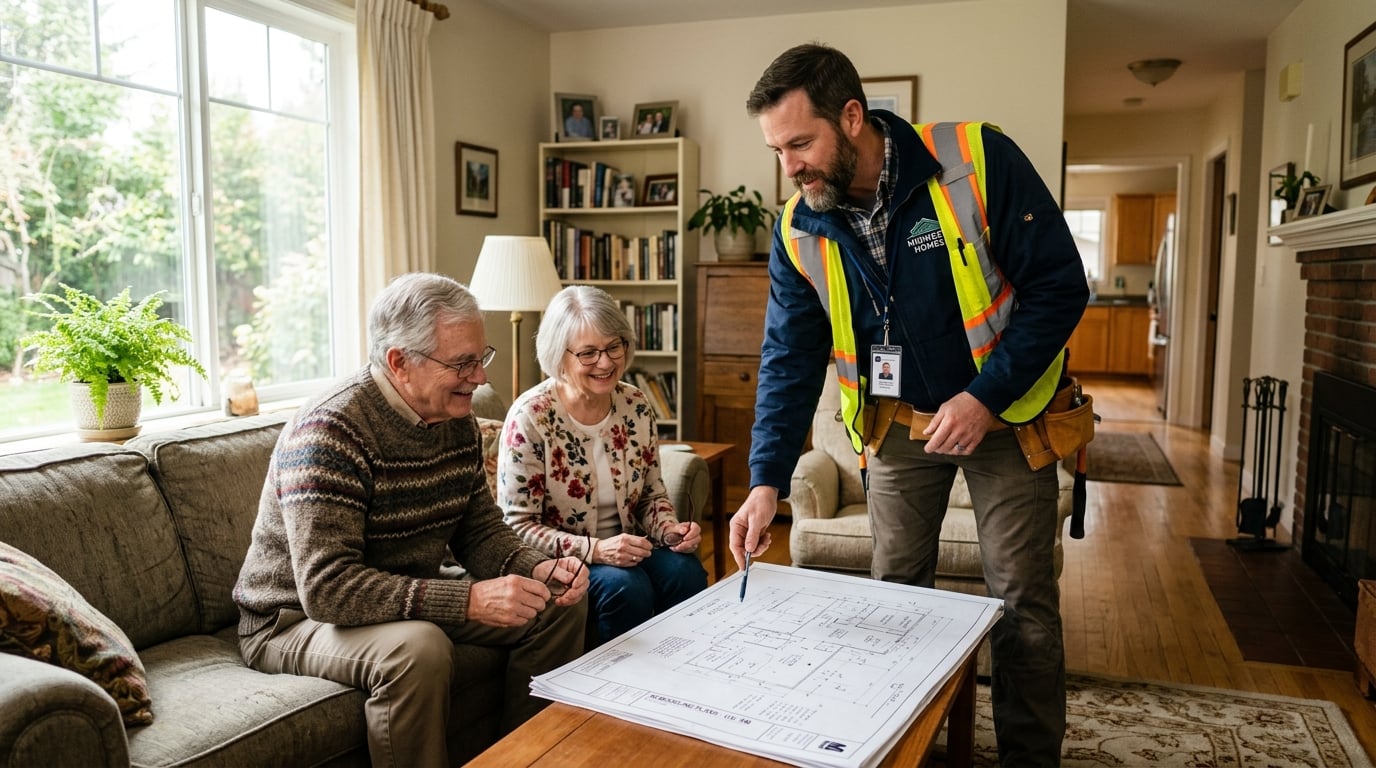
The best approach is to have a Certified Aging in Place Specialist (CAPS) conduct a home assessment. They will walk through every room and identify the modifications that will make the biggest difference for your specific situation. You can search for CAPS-certified contractors near you right here on AccessHome Pro.